Public Archive
A patchy record of DIY satellite imagery and weather notes since 2020. The open-weather public archive is open to everyone willing and able to contribute.
Words for Climate
An evolving set of words chosen by contributors to reflect their experiences of the climate crisis.
Filter by
Ground Station Type
Automatic Ground Stations are local, semi-permanent stations that record and upload satellite transmissions automatically once per day. Manual ground stations are DIY and often mobile; operators manually record and upload satellite transmissions.
Satellites
The archive contains Automatic Picture Transmissions (APT) by US weather satellites NOAA-15, NOAA-18 and NOAA-19.
Nowcasts
Collective earth-sensing events led by open-weather, co-produced by a network of contributors around the world.
Contributors
A list of tagged contributors only. Please contact us if you want to be added.
Automatic Ground Stations
Search
2025-05-21 18:53:31
Alan Robertson
Bathgate, West Lothian, UK
UK
NOAA-15
2025-05-21 21:57:09
Alan Robertson
Bathgate, West Lothian, UK
UK
NOAA-19
2025-05-22 08:39:33
Alan Robertson
Bathgate, West Lothian, UK
UK
NOAA-15
2025-05-22 11:53:13
Alan Robertson
Bathgate, West Lothian, UK
UK
NOAA-19
2025-05-22 21:46:29
Alan Robertson
Bathgate, West Lothian, UK
UK
NOAA-19
2025-05-22 23:22:47
Alan Robertson
Bathgate, West Lothian, UK
UK
NOAA-18
2025-05-23 21:35:28
Alan Robertson
Bathgate, West Lothian, UK
UK
NOAA-19
2025-05-23 23:09:49
Alan Robertson
Bathgate, West Lothian, UK
UK
NOAA-18
2025-05-24 11:27:51
Alan Robertson
Bathgate, West Lothian, UK
UK
NOAA-19
2025-05-24 22:56:55
Alan Robertson
Bathgate, West Lothian, UK
UK
NOAA-18
2025-05-25 09:01:02
Alan Robertson
Bathgate, West Lothian, UK
UK
NOAA-15
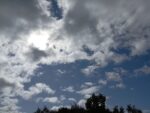
2025-05-25 12:51:00
Alan Robertson
Bathgate, West Lothian, UK
UK
NOAA-18
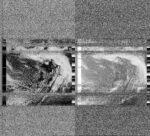
2025-06-15 19:42:00
Alex Cockshott
Greenwich Park , UK
UK
NOAA-19
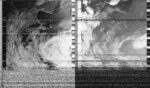
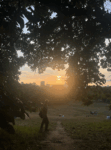
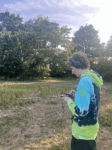
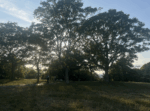
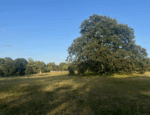
Alex and Prajvi
We were out of breath when we reached the top of the hill, and the sun was low, casting warm golden light through the trees.
The signal was clear once we found it and the reading took on a strangely religious, almost elegiac feeling. A last goodbye to something intangible to us, a quiet communion with something higher.
As the satellite dipped below the horizon with the sun slowly following, the signal was lost in crackling noise.
The weather was slightly cloudy.
We traced the coasts of France and Spain.
2025-08-09 21:54:46
Alison Scott
Arbroath, United Kingdom
United Kingdom
NOAA-19
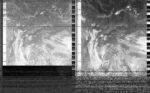
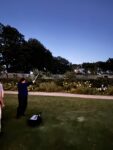
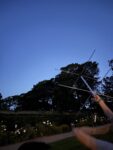
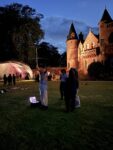
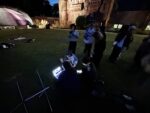
Listening to NOAA-19 at the end of the Hospitalfield Summer Festival.
2025-08-11 19:47:22
Alison Scott
Arbroath, United Kingdom
United Kingdom
NOAA-15
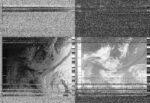
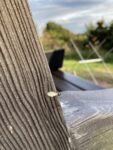
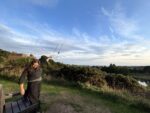
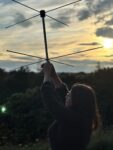
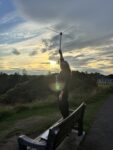
I'm over at the water tower again, with its dishes and antennas that I wonder the purpose of. It's not the best spot in terms of obstacles but it's quite high and the sky is open to the south west (trees, water tower). It's a warm evening, a summer glow cast over the pond and out towards the seafront. In the tall grass are a few blue corn flowers in front of me, a patch of purple thistles and yarrow. Sky full of gulls, swallows and wood pigeons. We're at a bench, which is covered in ants, it transpires, some with wings. We talk about the myth of 'flying ant day'. The weather is favourable for this particular colony to emerge (warm and calm). Aaron has come with me on account of it 'maybe being the last time' to listen to NOAA-15. I didn't know that the last time listening to NOAA-19 would be on Saturday, at the end of the summer festival. Tried to listen to NOAA-19 this morning. Dead air. Tonight, more of a fuzz than expected but happy just to hear the familiar sound pass over as the sun sets.
2025-08-12 09:40:54
Alison Scott
Arbroath, United Kingdom
United Kingdom
NOAA-15
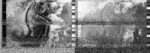
Left it too late to get up the road in time. Antenna quickly stuck out the back door to the house. It's already warm, a close clammy morning, even though the sun hasn't reached the garden yet. A partial image. On the news this morning, wildfires in Scotland, Greece and France. Genocide being named as such by the Scottish government.
2025-08-12 19:22:00
Alison Scott
Carnoustie beach, near the golf course , United Kingdom
United Kingdom
NOAA-15
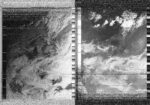
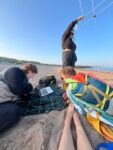
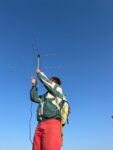
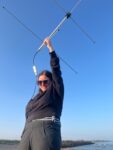
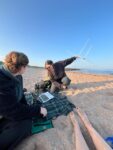
Even at the end, a joy to introduce friends to this practice. We listen to NOAA-15 on the beach, after an evening swim. It's been a hot day, another UK heatwave. Sun going down, tide going out. Eager questions. I explain I'm a bit worried we won't hear anything. I'm also a bit worried about getting sand in my laptop. Pointing the antenna straight out to sea, after the static we grin as the rhythm comes through, steady, strong. We talk about the feeling of listening to the satellite and its likeness to jumping in the sea. Feeling small, insignificant, located, connected.
2025-08-14 20:09:39
Alison Scott
Arbroath, United Kingdom
United Kingdom
NOAA-15
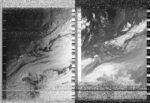
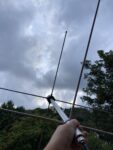
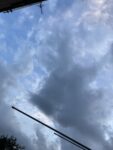
The storm is not long passed. A muggy day, building to the break. Two hours of thunder, darkened skies and flashes of lightning. I watch my friends in nearby Dundee share pictures of walnut sized hail, as the streets flash flood. Here, the hail is less extreme. I was going to listen to an earlier pass but heeded warnings of lightning - the air had felt static. Now, it's calm and everything is soaking. I'm just at the back door again, laptop inside, antenna outside. Leaves are splayed widely after being pummeled by the downpour. My neighbour's back door is also open and I wonder what they'd say if they popped out now. The sound of NOAA-15 merges with the dance music on the radio in my kitchen. I look up at the clouds, patchy, the sun is a low orange glow. The neighbour's aerial pokes out from the building. There's something about the switch in scale that always hits me, from my domestic interiority to beyond, from below to above the clouds. I come inside just in time: I write this the rain starts again, straight and heavy. Catching these moments, I'm feeling melancholic, thinking on the thinking and writing this practice has sparked, the sociality of it. The influence of doing this over the last 5 years I find hard to measure.
2025-08-14 19:45:03
Alison Scott
Arbroath , United Kingdom
United Kingdom
NOAA-15
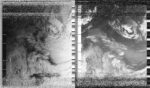
Back garden NOAA-15 listen again. Sky a flat grey. Fairly still. Another break in the drizzle. Neighbour does pop out this time. 'Don't let me get in the way of your signal'. Surprisingly few questions.
2025-08-16 19:18:12
Alison Scott
Arbroath, United Kingdom
United Kingdom
NOAA-15
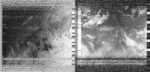
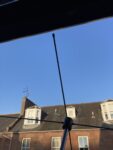
Another inside/ outside capture, this time poking the antenna out of the upstairs window. I've been outside a lot - if these notes make it seem I barely leave the house - and missed the other passes. The satellite is passing more to the east, so I'm on the other side of the house. It's a bit awkward, my arms get tired holding the antenna out beyond the building, swapping hands often and holding tight. The window sills are deep because of the old stone walls so I'm leaning quite a lot. Crows, seagulls and wood pigeons take turns at perching on the aerials across the road. There's a clear, cloudless blue sky and sun hits the rooftops. It makes the red sandstone glow a bright burnt orange. The storm has passed but until mid-afternoon the town was covered in a low cloud or haar that felt it could burn off any moment. When we were down at the beach, finding shell riddled hagstones and quartz veined pebbles, it was quiet. The sleepy feeling of early morning pushed through until the sun and the crowds came bursting out. It's the last weekend of the school holidays. I think I caught the sun on my face while cycling back along the coast. I'm quite happy to be inside now. We've had Joe to stay, who keenly remembered the satellite's sounds from working on a audio piece with me for an exhibition in 2021. It merged my daily recordings with extracts from personal weather diaries found in the Scottish Meteorological Society archives - made close to when I started listening to these orbiting bodies. Things (that) come back around. We talk about space junk. Archives. We have other conversations about silence, how it can be so loud, so felt.
2025-08-17 18:50:21
Alison Scott
East Haven, Angus, United Kingdom
United Kingdom
NOAA-15
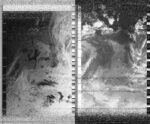
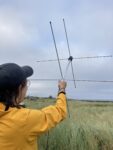
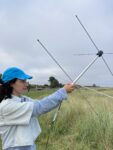
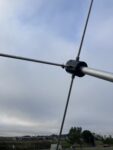
It's been another hot day. We cycle along the coast from Arbroath to East Haven beach as a group of four, grateful for the breeziness. I'm bringing the antenna with me to make the most of this borrowed time NOAA-15 has been having, and with company keen to listen. The sky gets cloudier as we arrive, just as most people are leaving the beach, dragging paddle boards and picnic blankets away. Here we meet another pair, who quickly get caught up in hearing about NOAA-15's imminent pass. The tide is quite far out, but on it's way back in, and we've got time for a quick and quiet swim. I was in the sea closer to the town this morning at high tide, when the sun was stronger, floating ontop of the salty water and squinting with the glints catching on the waves. The water is warmer and darker for this evening's dook, or it's the effect of the air feeling cooler in comparison. We hear curlews, oyster catchers and gulls, and as I emerge from diving under am fooled by my friends joking they saw a dolphin. The sea is pretty clean with flecks of sea lettuce, laver and gutweed floating (I think: I've been trying to get better at identifying seaweeds). East Haven was first recorded as 'Stinchendehavene' in 1214, also known as Stink Haven, I believe on account of the stench of rotting seaweed. These days it's well looked after by a local environmental group. We emerge from the water in various states of cold - one person has Raynaud's syndrome that effects their hands, another is prone to catching the shivers. We layer up and share a few snacks, in Scotland this is called a 'chittery-bite' or a 'shivery-bite': something small and sweet to stop your teeth chattering. Back on the dunes we set up our ground station, seeing what local radio we can pick up before NOAA-15 is due to arrive. We bop to some dance tunes, maybe on Tay FM, find Radio 2 and a few unknown channels: one broadcasting dour Christian sermons, the other a radio play. Pointing the antenna out to sea NOAA-15 comes in, and we pass the antenna between four pairs of keen (and cold) hands. The other two are content with watching and listening, chatting and laughing among the group's glee. A wasp lands on the antenna and stays a while. It's a long pass, the sky wide and open. With it's end our group disperses, most are cycling onward to Dundee. Aaron and I turn back to Arbroath, into a bit of a headwind as a thick haar comes down over the town ahead of us. Rabbits dash out in the fields as they hear us coming, and small birds emerge from the gorse that narrows the path.
2025-08-19 09:51:32
Alison Scott
Hospitalfield, Arbroath, United Kingdom
United Kingdom
NOAA-15
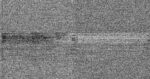
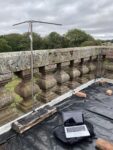
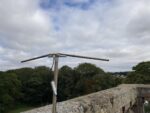
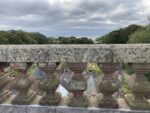
It's overcast. On the way up the drive I bump into Ross mowing. Just the edges, the long grass and wild plants are left to grow, turning to seed. Leaves on trees looking just a little past their best. He says it's early, this turn to the autumnal.
Up on the tower I can see him and another person down below working near the greenhouse. In the other direction there’s just a thin line of sunlight bouncing off the horizon out at sea. The wind is lightly rippling the puddles in the tarp on the roof. I haven't been up here for a while. The antenna has lost its gleam, tarnished after its months exposed to weather.
I check the setup is working by drifting through the radio spectrum. I land on what I find out is radio north Angus. The presenter likes to play music by local musicians only. Montrose born and bred etc. She says we need to shout about Angus more. She says, Angus is probably not well known unless you're in the potato trade. I laugh and re-tune to 137.62 megahertz.
I'm sitting cross legged on the tarp on top of the roof, my laptop is nestled on top of my laptop. The antenna here hasn't been receiving for a month or so - since the AGS stopped working with the WiFi and it proved hard to fix. Instead I've plugged the set up I use manually into the v-dipole. I feel like I'm sitting listening - statically - to the ‘static’ for ages, I'm used to holding and moving around with the antenna. It feels quite solemn. I hear the faint beeps and expect the sound to burst into full rhythm - butt it remains faint amid the noise. It really feels like NOAA-15 is fading out.
After I decide I won't hear any more of the pass I sit up on the tower for a bit with the static ringing in my ears. While I've been sitting still, I've been thinking of all the places I've taken my turnstile antenna to and listened to these satellites. The familiar sound has been a sort of rooting wherever I’ve ended up. A sort of constant. I've listened in fields, beaches, leaning out of windows, at old observatories, in parks and some spots I'm sure I'm forgetting. In the day and in the night. Here, I think again of the telescope down in the store room that is thought to have been used on the tower in the Victorian period. Shifting technologies, shifting time, people, but perhaps something connected. I look up, squinting. The sun bursts through cracks in the cloud, bringing me back into the day.
2025-06-15 21:45:36
Alison Scott
Arbroath , Scotland
Scotland
NOAA-19
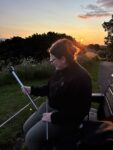
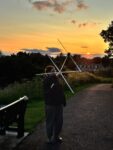
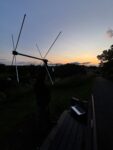
We’ve come over to the park in search of more open skies, but realise with the satellite travelling to the east the trees - a tangle of Scots pine, brambles and elder - will be in the way. Still. The sun is getting lower but you can tell it’s close to the solstice: a long bright evening. I’ve roped Aaron in to join me, and we set up on a bench near the top of the hill, next to the water tower. Kids on bikes and wandering teens don’t give us much notice. Around where we settle the broom is already full of leafy-green pods, cow parsley is high and my hayfever is off the charts. The pond below is gleaming with the setting sun, and to the west there’s an open view along the coast when the beachfront opens up and the Tay joins the North Sea.
I haven’t seen Aaron in a few days so I catch him up a bit about the End of Life Nowcast, and we reflect on the last one, during COP26 in Glasgow, laptop precariously shielded from lashing rain by a wonky brolly. It can be very useful to have a helper, whatever the weather is doing.
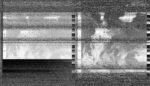
I think of NOAA18 still circling, silently. Pointing the antenna at the horizon, I realise I’m bracing to hear nothing, but out of static comes the familiar tones of NOAA19, if a bit faint (due to the trees). Again the idea: ‘the static's like the sound of thinking.’* I should really get another USB extender, or tape it together, this one is a bit loose fitting and when it detaches slightly from the dongle the recording stops and I have to restart it. So, my recording for this pass is in two parts. Both about 5mins. If I splice the audio files together and upload the file, what happens? Thinking with the glitch, being happy with the lack of and resisting the idea of a ‘good’ or clear image is always part of this process. Need to remember this. A counter to the closed, fabricated smoothness and place-less certainty of the pin sharp google image. The space that these DIY processes open with their fuzziness, the image’s materiality written in the grain.
*Tom McCarthy, ‘C’ (Vintage, 2010) pg63
2025-08-09 12:00:27
Alison Scott
Arbroath, United Kingdom
United Kingdom
NOAA-15
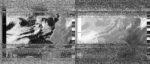
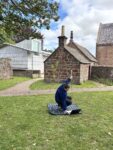
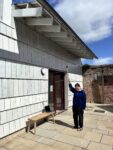
The first pass as part of the Hospitalfield Summer Festival.
2025-08-19 11:29:34
Alison Scott
Hospitalfield, Arbroath, United Kingdom
United Kingdom
NOAA-15
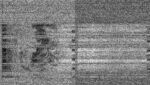
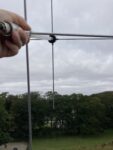
After the pass earlier this morning I sat on the tower for some time, listening to the birds, writing my weather note. Looking at the images, I often feel it's strange how my ears can filter so much of the static: I could hear NOAA-15 for much longer than the image might suggest. Watching the pips of yellow on CubicSDR's waterfall display, it was clearly weaker than I was expecting. I'm left wondering if it was the effect of the antenna, or if the satellite was starting to power down. Ross appears from the small blue door at the top of the spiral staircase. We figure we might as well take down the v-dipole from the balustrade, and unwind the RF cable from the staircase. When that's done it's not long until this pass. Ordinarily I wouldn't bother with such a low pass (usually saying 'it'll come back around') but I decide to have one last listen with the turnstile to say farewell to NOAA-15.
NOAA-15 is coming from the north, reaching a max elevation of 13 degrees to the north west, which is pretty much exactly where the lightning rod is. So between that and the previous image my expectations are low for clarity, but that's not and is never the point. After the joys and buzz of passes on the beach with friends and the summer festival, being up here alone feels peaceful. I'm happy to pick up an intermittent signal amid the noise, moving my body with the trajectory of the satellite, searching with the antenna for one last time.
On my way out I chat to the Hospitalfield team about endings, archives, and memory – and although there will be no new images from these satellites, still orbiting silently, there's lots of reflection to come.
2025-06-15 19:42:39
Alison Scott
Arbroath , United Kingdom
United Kingdom
NOAA-15
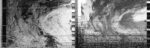
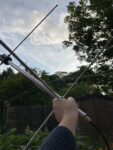
A partial image. Not where I intended to be. It's been a while since listening with the turnstile antenna, now the AGS is installed, and returning from some time away I'd forgotten my laptop needed charged. So, just catching the end of the pass by the time it had enough juice to get going. I'll head out later for NOAA19, energies permitting. This, a portion of NOAA15's pass, came as I sat on the slightly shoogly picnic bench in my wee bit of back garden, a bit too close to the building. The street in the post-tea-time lull, all the washing just taken inside from the lines that criss cross with the antenna's spindley structure as I look through it. There was a big storm here yesterday, thunder, the works, but I wasn't here, and just now it's bright and calm. Quite humid. I've just emptied assorted pots and trays of the water that gathered. I've got 3 bags with potatoes growing in them, right in front of me, and I noticed while listening to NOAA15 that the first flowers have bloomed since I was away. They are gently blue: it's a mystery purple potato seed that was gifted without a name nor an instruction. Perhaps we will yield a portion or two.
2024-09-14 12:23:54
Ani
Leipzig, Germany
Germany
NOAA-18


Here: Warm sun, grey skies. Just south of here: Extreme weather events all over Central Europe.
2025-06-01 10:35:35
Anna Madeleine Raupach
Ngunawal / Ngambri Land, ACT, Australia
ACT, Australia
NOAA-18
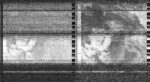
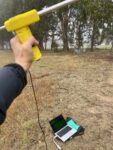
The heavy fog had not yet lifted by late morning, so tuning into NOAA connected me from below to above clouds in a particularly satisfying way. I have felt the climate crisis recently through the long autumn that has extended into winter giving us beautiful but unnervingly warm days for this time of year.
2025-06-06 09:38:18
Anna Madeleine Raupach
Ngunawal / Ngambri land, ACT Australia
ACT Australia
NOAA-19
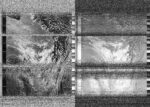
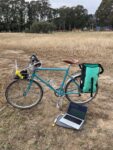
A cold morning after a frosty night - one of the first of our winter.
2025-06-15 09:28:29
Anna Madeleine Raupach
Sydney, Gadigal Country, NSW
NSW
NOAA-19
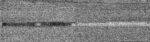
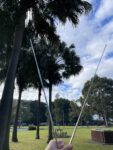
In sub-tropical Sydney, very green and humid for winter. I felt the climate today through noise - of traffic, planes, groups of people, sirens, and only a few birds. I could only recieve a faint satellite signal through it all, but am contributing the noise to the Now-cast.
2025-06-14 09:38:37
Anna Madeleine Raupach and Leah Beeferman
Clear Range, Ngunawal Ngambri country, Australia
Australia
NOAA-19
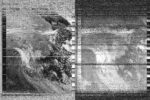
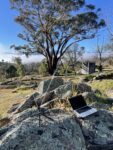
Recieved from a beautiful property in Clear Range, on a clear cold morning with bright blue skies up above the fog below.
2025-02-15 11:18:31
Applicant Visit Day attendees
Between Queens and Schilling Buildings, Royal Holloway University of London, United Kingdom
United Kingdom
NOAA-18


This image was collected by a group of secondary school students who attended an Applicant Visit Day at Royal Holloway. During the pass, Meteor MN2-3 made an appearance on the same frequency as NOAA 18!
2025-01-25 09:25:34
Arthur Almeida
Complexo da Maré, Rio de Janeiro, Brasil
Brasil
NOAA-19
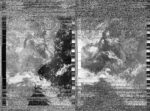
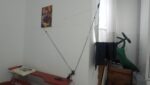

Na imagem, vemos a vinda de nuvens que aparentam ter uma grande densidade em direção à América do Sul, maior parte indo ao sul e sudeste do Brasil.
2025-01-27 06:47:32
Arthur Almeida
Complexo da Maré, Rio de Janeiro, Brazil
Brazil
NOAA-15


We can see the state of Rio de Janeiro in Brazil completely covered in clouds.
2025-03-13 07:11:23
Arthur Almeida
Complexo da Maré, Rio de Janeiro, Brazil
Brazil
NOAA-15


This is my first reception of NOAA-15 through a Yagi-Moxon Antenna.
2025-05-15 19:44:58
Audrey Briot
In a tiny desert, Morocco
Morocco
NOAA-15
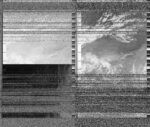
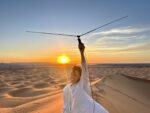
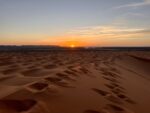
An empty place filled with waves.
2025-05-15 23:09:16
Audrey Briot
Merzouga, Morocco
Morocco
NOAA-18
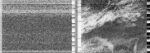
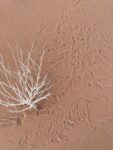

At night, life, elements and forces draw the star of Morocco.
2025-06-15 20:37:17
Audrey Briot
In the village where I grew up and live, Saint André, Pyrénées Orientales, France
Saint André, Pyrénées Orientales, France
NOAA-15
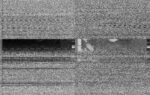
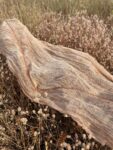
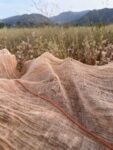
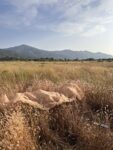
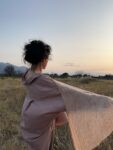
Particules have been in the air for weeks without interruption.
Depending on their density, the blue sky, the clouds and the sun are indistinguishable. The sky is white, blinding.There's a veil between us and the trees. Today was a little bit better than it had been for several weeks. Yesterday I was even worst ; in the night it rained for 2 or 3 minutes and dust settled.
2024-12-24 10:34:00
Automatic Ground Station 12 Florida
Gainesville, Florida , United States
United States
NOAA-19
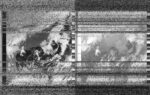
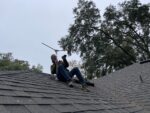
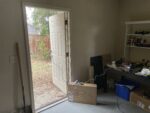
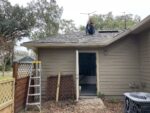
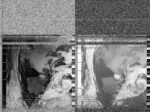
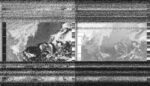
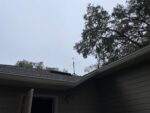
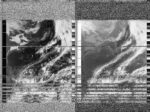
We ran two AGS at the same time to test the difference between a weatherised V-dipole and a static mounted Turnstile on the top of the roof. The pass was around 68 degrees in maximum elevation- so not ideal, but good enough for a comparison. Steve reclined on the roof and used a spare curtain rod to hold the V-dipole in a static position for eleven minutes. We ran a spare radio cable from the V-dipole through the garage door to AGS 12, while AGS 3 stayed connected to the turnstile. Comparing the images is interesting: AGS 12 / V-dipole picked up the satellite signal a little earlier, but more bands of interference run through the start of the image. In contrast, AGS 3 / Turnstile pick up the signal later, but the middle part of the image is generally clearer. The antennas lose the signal at about the same time to the South.
2025-01-18 10:09:00
Automatic Ground Station 12 London
London, United Kingdom
United Kingdom
NOAA-19
2024-12-22 11:29:00
Sasha Engelmann
Steve Engelmann
Patio Homes, Newberry , United States
United States
NOAA-19
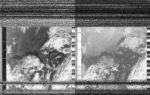


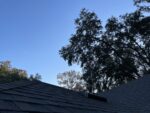
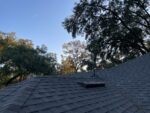
Day 1 of the Florida Automatic Ground Station testing phase. A turnstile antenna is taped to a tripod sitting on the angle of the roof. An RF cable runs through a crack in the garage window to the AGS on a worktable inside.
2024-12-23 10:47:00
Sasha Engelmann
Steve Engelmann
Gainesville, Florida , United States
United States
NOAA-19
2024-12-23 11:17:00
Sasha Engelmann
Steve Engelmann
Gainesville, Florida , United States
United States
NOAA-18
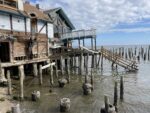
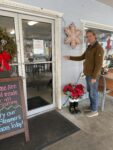
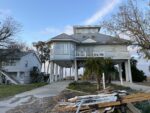
"How high did the water get?" asked Steve. Our waitress silently walked to the door of 'Steamers' cafe and pointed to a green line drawn on the wall above chest height. "The previous high water level was all the way down here" she added, bending all the way down to a wave pattern drawn with Sharpie about a foot off the ground. "Then Idalia was here" she said, referencing the 2023 Hurricane, and pointing to a black mark around two feet off the ground, not far from the lower mark. "We prepared for it to be somewhere in between" she said. In the midst of the bustling cafe at lunchtime, we all took a moment to look at the marks on the wall in silence. The distance between the water level that the town of Cedar Keys had prepared for, and how high the water rose during Hurricane Helene, was almost unbelievable.
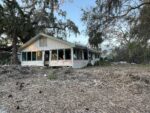
Later, driving through Suwaneee, another Gulf-side town north of Cedar Keys, we saw tree branches hoisted into upper tree branches, boats that appeared to have been lifted and dropped in driveways, broken windows, boarded-up holes, and debris still clinging to the upper branches of palms, cedars and other bushes. The newer houses were built on stilts 16 feet high or more - the new 'code' for building, we had learned from the waitress.
2024-12-24 10:34:00
Sasha Engelmann
Steve Engelmann
Gainesville, Florida , United States
United States
NOAA-19
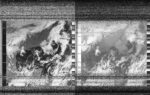
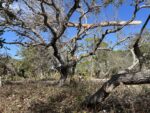
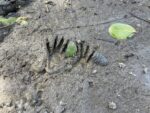
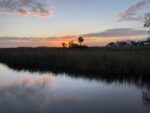
After a few hours at Florida's coast, one begins to see beyond the obvious signs of damage from Hurricane Helene to houses and infrastructure, and other more subtle signals become visible. At the edge of the marshes in Suwannee, a town at the mouth of the Suwanneee river, the land had subsided significantly. We spotted a red life jacket caught in top of a stand of high reeds near the waterline. Near the Cedar Keys museum, a bleached log had been lifted into the upper branches of a Cedar or Juniper. "Have a good time on the island- or what's left of it" said a Cedar Keys resident named Tom as we left the community garden he had set up and repaired from storm damage. We noticed how local mud clams grow in clumps, clustering on each other, rather than on rocks, like the clams and mussels of California and the UK. In the mud, the footsteps of boots traced a path to a dense outcrop of clams, presumably for a local clam harvest. Raccoon feet looked like tiny hands sunk deep in the mud. "When I was young we all used to go clam stomping" said a woman we spoke to in Cedar Keys. "You would stand in the mud and stomp your feet down over the clam. They were huge" she made a sign with her hands, fingers arranged in a large diamond shape, "nothing like what we eat today", she added.
2024-12-25 10:22:00
Sasha Engelmann
Steve Engelmann
Gainesville, Florida , United States
United States
NOAA-19
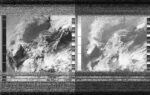
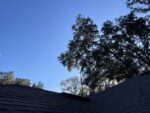
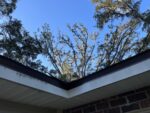
"What is this obsession with 'manned' or 'unmanned'?!" jokes Bowen Yang, playing 'A Drone' on Saturday Night Live. "For the record" Bowen continues "I can get a man whenever I want!". The skit plays on political divisions haunting thousands if not millions of American Christmas Eve dinners this year. I had not heard about the reported drone sightings prior to arriving in Florida, but they have been raised by local family members at every opportunity. "What is the government really doing?" "Remember the media explosion about that one Chinese balloon?! Now there are hundreds of drones and no one is talking about it!" Or, "I just worry about what could happen in New York on New Years Eve". Earlier in the week, when Steve and I set up the turnstile antenna on the roof of my Mom's house, a family member walked over and asked if we could listen to the drones. I decided to preserve a bit of mystery: "this is for satellites, but both satellites and drones communicate via radio waves".
2024-12-26 10:08:00
Sasha Engelmann
Steve Engelmann
Gainesville, Florida , United States
United States
NOAA-19
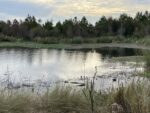
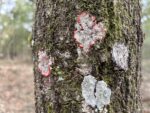
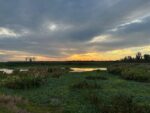
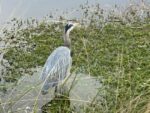
Florida balances over one big aquifer: a hidden cavernous water system fed by rainfall that stretches beneath the everglades, wetlands and an ecological system known as 'moist sandy pine / hardwood woodlands'. Walking through the Sweetwater Wetlands south of Gainesville yesterday, we met some of the water on its way into the depths. Today, at Rainbow Springs, an hour further south, we saw some of it come out, bubbling up through pale white-gray sand, so abundantly that it creates the Rainbow River, a wide, flat river sustaining alligators, turtles, catfish, frogs, coral snakes and other wildlife. Rainbow Springs exists because of the thinner karst rock separating the aquifer from the surface, while elsewhere in the state, the rock-shield is much thicker. The upwelling makes the water below feel very close, even reachable, but we learned that the water in the Floridan Aquifer is between 17,000 and 26,000 years old. The springs seemed otherworldly in their crystal clear shallows, ferns and mossy trees, and two impressive waterfalls cascaded over towering rocks. One of the waterfalls was named 'Seminole Falls', after local Indigenous peoples who never ceded their land. We speculated that the two tall waterfalls might have been built up as the upwelling spring water deposited minerals over thousands of years. Later a park ranger informed us that the waterfalls were entirely man-made in the 1930s, created with sediment dredged from the bottom of the springs, and that water has been power-pumped to the top of the rocks for decades, just so visitors can watch it fall.
2024-12-27 09:56:00
Sasha Engelmann
Steve Engelmann
Gainesville, Florida , United States
United States
NOAA-19
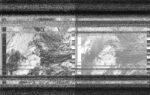
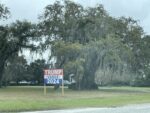
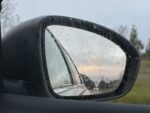
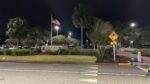
We joked that Orlando kept getting farther away as we drove south on 75, east through Ocala National Forest, over the waters of Lake Monroe, and alongside cattle pastures and skeleton scarecrows. Rain splattered intermittently on the windshield. Billboards declared that ‘at 18 days since conception, a baby’s heart is already beating’, or ‘man up: your child needs you.’ An entire single story house rolled down the highway taking up two lanes, flanked by pickup trucks. A corner ‘yard art’ shop burst with bronze eagles, brown bears, American flags and an original Bob’s Big Boy sculpture, complete with a checkered red and white outfit and a sculptural hamburger on a plate.
2024-12-29 11:41:00
Sasha Engelmann
Steve Engelmann
Gainesville, Florida , United States
United States
NOAA-18
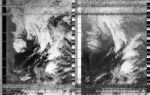
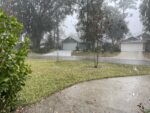
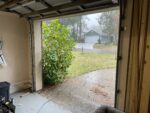
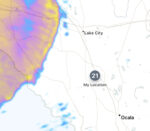
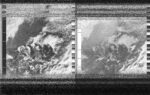
A huge amount of progress was made today with AGS reception! It is hard to contain the excitement while writing this weather note. After several months exploring ‘herringbone’ distortion patterns and deep diving into NOAA APT + Raspberry Pi tutorials, the team found an ‘instructable’ tutorial via which several people seemed to be receiving relatively long and clear NOAA images. In this tutorial, Grayson noticed a filter option for rtl_fm called -F 9 that we hadn’t tried to implement in the AGS code yet, and he added it in an update yesterday. Last night, the roof mounted turnstile in Florida had to be taken down due to a lightning storm and ‘extreme’ tornado warning. Yet even though it was up against a garage wall and under an overhang, the last evening pass of the day yesterday showed telemetry data at the top and bottom of the image, where previous captures only recorded static.
This morning, despite an ongoing storm and tornado warning, the Turnstile was positioned out on the front lawn for a 70 degree max elevation pass shortly after 11:40. In stark contrast to previous ‘letterbox’ type images in which satellite data only appeared in the central strip of the recording, today the image is significantly longer and clearer, with telemetry data clearly showing through static at the beginning and end of the pass. Also, the typical ‘herringbone’ type distortion seen in all previous images appears to be gone! More testing will verify this but at present this is something to celebrate.
2024-12-30 11:28:00
Sasha Engelmann
Steve Engelmann
Gainesville, Florida , United States
United States
NOAA-18
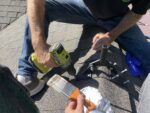
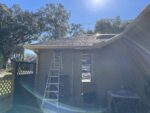
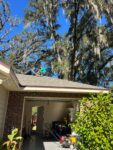
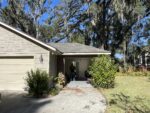
We were late in plugging-in the semi-permanently mounted V-dipole antenna to the 'recording' AGS, but happy to see it standing on the peak of the garage roof, glinting orange-pink in the sunlight, without anyone attempting to hold it in place, as it received an image from NOAA-18. After several antenna radiation pattern calculations, we decided to try a test antenna height of 0.8 metres off the pinnacle of the roof. While some radio forums suggest putting the antenna as high as possible, others suggest this is not necessary, especially if one is already mounting on a semi-conductive wooden roof (as opposed to concrete or steel). Depending on what surface the v-dipole antenna takes as 'ground', the antenna height can create different patterns of reception, and can even lead to 'null' points where no signal data can be received. However, as Gainesville can get very strong, hurricane force winds, and we couldn't see many examples of tall antennas or rooftop weathervanes in the neighbourhood, we opted to keep the antenna height under one metre, and 0.8 seemed to work great today, despite our lateness. To secure the antenna mast to the roof, we used a steel 'weathervane' mount with special wood screws with deep ribbons that we had gotten at the local ACE hardware store, and a good coating of a transparent sealant gel called, somewhat counter-intuitively, 'Through the Roof!' We managed to hit a stud with one side of the steel mount, which was a good sign for the sturdiness of the antenna, but also meant that the drill pushed further into the roof on the stud side of the mount, and slightly unbalanced the mount. We unscrewed, knocked some wooden 'shims' under the metal pad at the stud side, and checked its straightness by hanging a roll of tape on a golden ribbon next to the mast. Tomorrow, hopefully, we will be able to tie the RF cable onto the mast, and bracket / secure the cable to the roof, wrapping it around the edge of the garage door and entering the garage where the AGS will stay plugged in.
2024-12-31 09:15:30
AxiomVk
GREECE, Northern Greece
Northern Greece
NOAA-19
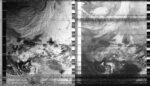
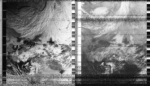
NOAA 19 from Greece at 09:15 AM local time (07:15 UTC)
2025-04-22 10:51:00
Bandi b
Bekes , Hungary
Hungary
NOAA-19
2025-05-01 11:20:01
Bernal Pérez, Florence To, Laura Palmer, David Birkin, Debora Swistun
College Green, Goldsmiths University, London, United Kingdom
United Kingdom
NOAA-19
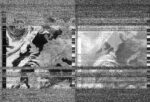
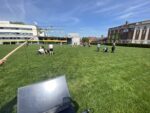
The weather was summy, clear, 27 degrees celcius. Capturing the waves started with white noise then eevntually after 5 minutes it became clear and sharp. Image captured from 11:18 - 11:26. It was a collective exercise with open weather community at Goldsmiths Univerity in the green.
2025-08-14 00:08:46
Birbie
Madison, United States
United States
NOAA-15
I live in a pretty secluded area and this is one of my best downlink from NOAA 15 yet!
2025-08-17 19:29:33
Birbie
Madison, United States
United States
NOAA-15
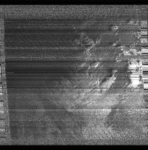
The last transmission of NOAA 15, Thank you for 24 years of service!
(my father asked me about there is no clouds in the sky, i told him that the satellite is going to be decommissioned tomorrow)
2025-05-23 10:58:10
Briged McCarthy
Denton TX, United states
United states
NOAA-19
2025-05-21 23:26:00
Centre for People, Place and Planet
Perth , Australia
Australia
NOAA-18
2025-06-13 09:33:00
Jo Pollitt
Rumen Rachev
Perth , Australia
Australia
NOAA-19
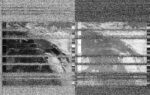
2025-06-13 23:30:00
Jo Pollitt
Rumen Rachev
Perth , Australia
Australia
NOAA-18

2025-06-14 23:18:00
Jo Pollitt
Rumen Rachev
Perth , Australia
Australia
NOAA-18

2025-06-17 10:13:00
Jo Pollitt
Rumen Rachev
Perth , Australia
Australia
NOAA-18

2025-08-01 09:20:00
Centre for People, Place and Planet (AU)
Perth, Australia
Australia
NOAA-19
Capturing our first ever manual transmission from NOAA-19 in-between the walls of Spectrum gallery.
2025-08-07 09:37:00
Centre for People, Place and Planet (AU)
Perth, Australia
Australia
NOAA-19
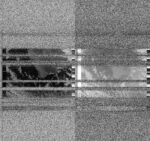
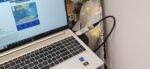
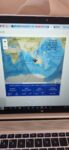
Second manual transmission behind the walls of the gallery; chasing the sweet humming of NOAA-19. Getting better at capturing the signal and receiving the weathercasting.
2025-08-12 06:52:00
Centre for People, Place and Planet (AU)
Perth, Australia
Australia
NOAA-15
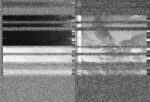
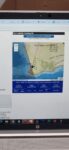
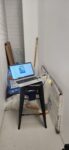
Third manual signal capturing and best so far. Make-shift manual weather station. Behind the walls of the gallery, we wait for the weathercasting.
2025-08-14 09:49:00
Centre for People, Place and Planet (AU)
Perth, Australia
Australia
NOAA-19
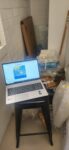
Receiving yet again white noise. The fabric of reality feels like clouded in white noise. We will miss you NOAA-19.
2025-08-19 19:36:00
Centre for People, Place and Planet (AU)
Perth, Australia
Australia
NOAA-15
Too attached to 15/19/18...was so sad to see only static noise images. That was it (for now?).
2025-06-15 10:38:00
Jo Pollitt
Rumen Rachev
Perth , Australia
Australia
NOAA-18

what to do with disappearance . . ... > when white noise is pervasive, skies are unshared, what of this repeated body of noise, resonant, insistent, what of this resistance / / . . . } - /\
2025-06-16 10:25:00
Jo Pollitt
Rumen Rachev
Perth , Australia
Australia
NOAA-18

2025-06-11 19:37:00
Jo Pollitt
Rumen Rachev
Perth , Australia
Australia
NOAA-15
2025-04-05 10:40:00
Chase Graham
Defuniak Springs Fl, U.S.
U.S.
NOAA-19
2024-12-12 21:54:12
clemens winkler
Berlin, Germany
Germany
NOAA-18
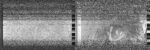
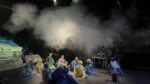
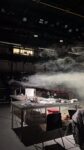
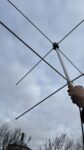
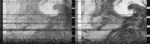
One of situated NOOA-18 readings as inspiration for a dramaturgical piece "Waiting for Satellite".
In this participatory play, new forms of dramaturgy emerge through our shared exploration of atmospheric phenomena—haunted by weather events, satellites, and cloud structures—as we attune to the invisible, question the origins and impacts of weather, re/pre/enacting weather events on stage. by MA students Anastazie, Annick, Frederik, Marla , Paolo, Szerafina, Yeganeh
2024-09-14 12:22:00
Constanze Müller
Leipzig, Deutschland
Deutschland
NOAA-18

2025-01-03 16:14:00
Cosmos Astronomy Club
Pune, India
India
NOAA-19

2025-01-12 16:02:00
Cosmos Astronomy Club
Pune, India
India
NOAA-19
2025-03-24 21:45:00
Cosmos Astronomy Club
Pune, India
India
NOAA-19
2024-12-23 17:22:00
Cosmos Astronomy Club
Pune, India
India
NOAA-18
2024-12-24 05:55:00
Cosmos Astronomy Club
Pune, India
India
NOAA-18
2024-12-25 16:26:00
Cosmos Astronomy Club
Pune, India
India
NOAA-19
2024-12-26 16:13:00
Cosmos Astronomy Club
Pune, India
India
NOAA-19
2024-12-27 14:06:00
Cosmos Astronomy Club
Pune, India
India
NOAA-15
2024-12-28 04:35:00
Cosmos Astronomy Club
Pune, India
India
NOAA-19
2024-12-29 17:45:00
Cosmos Astronomy Club
Pune, India
India
NOAA-18
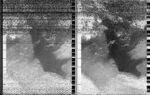
2024-12-31 14:02:00
Cosmos Astronomy Club
Pune, India
India
NOAA-15
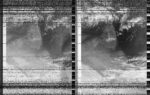
2025-01-01 05:54:00
Cosmos Astronomy Club
Pune, India
India
NOAA-18
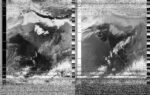
2025-01-02 18:37:00
Cosmos Astronomy Club
Pune, India
India
NOAA-18
2025-01-13 04:36:00
Cosmos Astronomy Club
Pune, India
India
NOAA-19
2025-01-16 17:17:00
Cosmos Astronomy Club
Pune, India
India
NOAA-18
2025-02-01 22:44:00
Cosmos Astronomy Club
Pune, India
India
NOAA-18
2025-02-17 11:27:00
Cosmos Astronomy Club
Pune, India
India
NOAA-18
2025-02-24 22:51:00
Cosmos Astronomy Club
Pune, India
India
NOAA-18
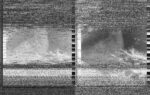
2025-02-25 11:25:00
Cosmos Astronomy Club
Pune, India
India
NOAA-18
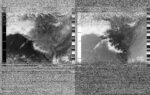
2025-03-13 22:23:00
Cosmos Astronomy Club
Pune, India
India
NOAA-19
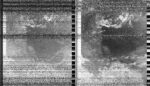
2025-03-14 19:29:00
Cosmos Astronomy Club
Pune, India
India
NOAA-15
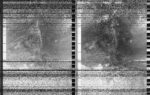
2025-03-15 07:56:00
Cosmos Astronomy Club
Pune, India
India
NOAA-15
2025-03-19 22:58:00
Cosmos Astronomy Club
Pune, India
India
NOAA-18
2025-03-20 22:45:00
Cosmos Astronomy Club
Pune, India
India
NOAA-18
2025-03-25 10:18:00
Cosmos Astronomy Club
Pune, India
India
NOAA-19
2025-03-26 23:09:00
Cosmos Astronomy Club
Pune, India
India
NOAA-18
2025-04-15 22:08:00
Cosmos Astronomy Club MIT WPU
Pune, India
India
NOAA-19
2025-04-18 23:14:00
Cosmos Astronomy Club MIT WPU
Pune, India
India
NOAA-18

2025-04-19 23:02:00
Cosmos Astronomy Club MIT WPU
Pune, India
India
NOAA-18